Final SEO-Friendly Content
You do not always need to build a business website completely from scratch. For many businesses, WordPress provides a flexible way to create, manage and grow a website without making everyday content updates unnecessarily complicated.
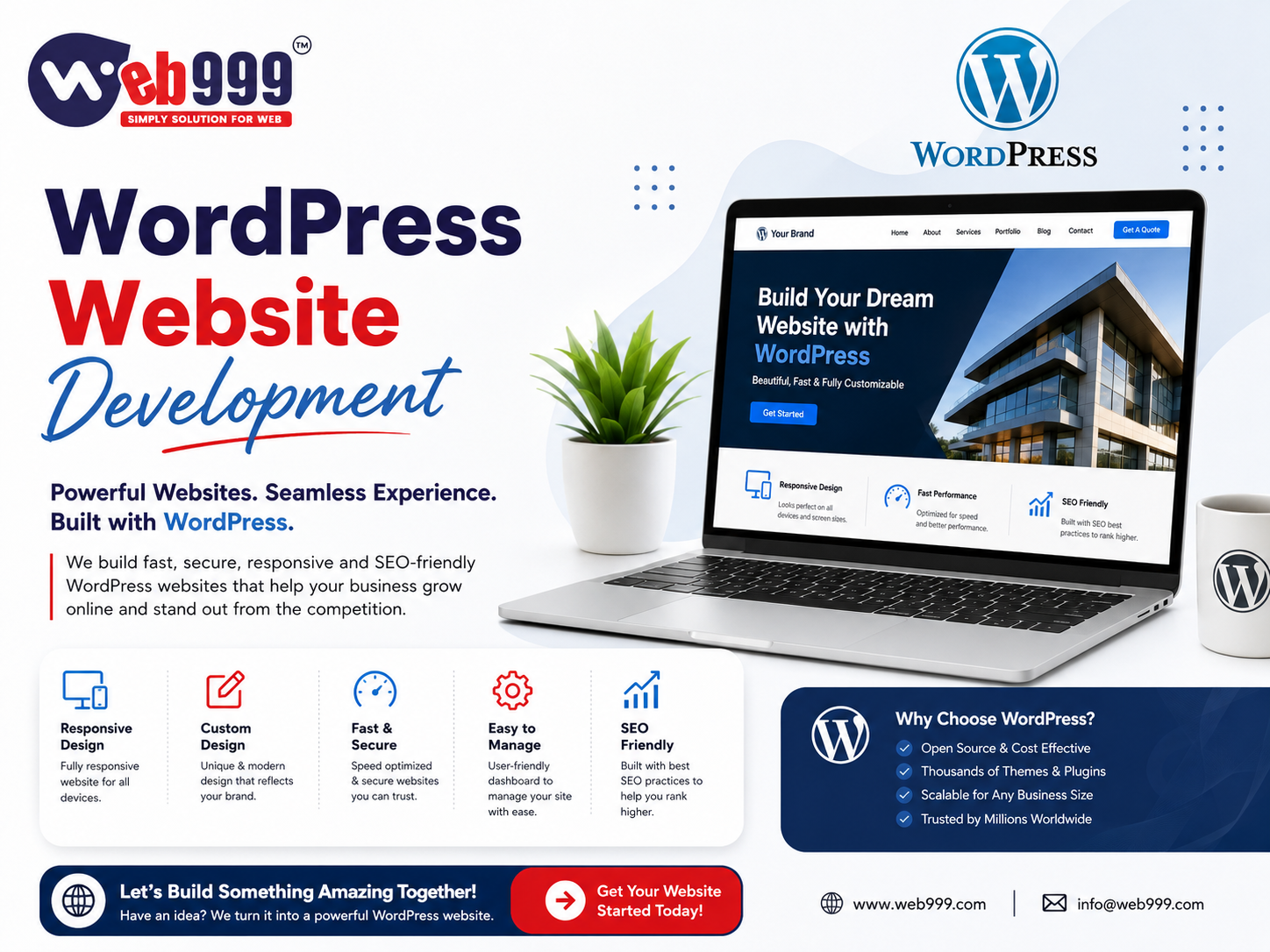
WordPress website development involves creating and customising websites with the WordPress platform. Depending on the project, developers may handle website design, theme customisation, plugin integration, custom development, security and ongoing maintenance.
What Is WordPress Website Development?
WordPress website development involves building and managing websites with WordPress as the content management system. Businesses can use this platform to create websites that meet their specific goals and requirements.
You can use WordPress to create different types of websites, from simple business websites and blogs to ecommerce stores and customised platforms. As a result, businesses can choose a website structure that suits their needs.
WordPress as a Content Management System
One of the main benefits of WordPress is its easy-to-use content management system. Website owners can manage their content through a simple administration area.
Website owners can update pages, blog posts, images, menus and other content without editing the underlying code each time. Therefore, businesses can manage regular website updates more efficiently.
Managing Website Content
This approach can help businesses that regularly update their services, publish articles or add new information. In addition, teams can make routine content changes without depending on a developer for every small update.
Easy Content Updates
Once developers set up the website properly, the business team or website administrator can handle routine changes more easily. Moreover, this approach can save time when businesses need to update their website frequently.
Why Businesses Choose WordPress
WordPress remains popular for several practical reasons. First, it gives businesses flexibility. Second, it provides many tools for website management and customisation.
Flexible Website Structure
Businesses can build their WordPress websites around their specific needs instead of following one fixed layout. For example, a company can create dedicated pages for services, products, locations and other important information.
Businesses can also add new pages and sections as their website grows. Therefore, the website can adapt to changing business requirements over time.
Large Plugin Ecosystem
Plugins can add additional functionality to a WordPress website. Businesses can choose plugins based on the features they need.
For example, businesses can use plugins for contact forms, SEO features, ecommerce, backups, security, analytics and other requirements. However, developers should select plugins carefully to maintain website performance and security.
Customisation Options
Developers can customise WordPress websites using themes, templates, plugins and custom code. This flexibility allows developers to create layouts and features that match a particular business.
In addition, customisation gives businesses more control over the website’s design, functionality and overall user experience.
Types of WordPress Websites
WordPress works well for different types of website projects. Depending on the business, developers can create a simple informational website or a more advanced online platform.
Business Websites
A business website can include pages for services, company information, contact details, locations, testimonials and other useful information.
Service-Based Websites
Businesses such as agencies, consultants, local service providers and professional firms can use WordPress to present their services online. In addition, a well-structured website can make it easier for visitors to find important business information.
Lead Generation Features
Businesses can add contact forms, enquiry buttons and booking features according to their requirements. As a result, visitors can have convenient ways to contact the business or request a service.
WordPress Ecommerce Websites
WordPress can also support online stores with suitable ecommerce tools. For businesses selling products online, these tools can provide essential store management features.
Online Product Management
Businesses can manage products, prices, images, categories and other store information through the website administration area. Furthermore, store owners can update product details as their inventory changes.
Ecommerce Functionality
Businesses can add features such as shopping carts, checkout, payment options and order management according to their store requirements. Therefore, WordPress can provide a practical foundation for many ecommerce projects.
WordPress Website Development Services
A WordPress development project can involve several different services. The exact services depend on the website’s goals, design requirements and functionality.
Custom WordPress Development
Businesses can use custom development when standard themes or plugins do not provide the required functionality. Developers can create custom templates, features and integrations based on the project requirements.
As a result, custom WordPress development can provide solutions that better match specific business needs.
WordPress Theme Customisation
A theme controls many of the visual and structural elements of a WordPress website. Developers can modify the theme to create a more suitable design for the business.
Customising the Design
Developers can modify layouts, colours, typography, page templates and other design elements to match a company’s branding. In addition, they can adjust the website structure to improve the overall user experience.
Responsive Design
Developers should test the website across mobile phones, tablets and desktop screens. This ensures that visitors receive a consistent experience across different devices.
Plugin Integration
Plugins can add useful functionality without requiring developers to create every feature from scratch. For example, businesses can use plugins for forms, analytics, ecommerce and other website functions.
However, developers should select plugins carefully. Too many unnecessary or poorly maintained plugins can affect website performance, security and maintenance.
WordPress Website Security
Security plays an important role in WordPress development. A secure website can help protect business information and provide a safer experience for visitors.
Keeping WordPress Updated
WordPress core software, themes and plugins receive updates that may include security fixes and performance improvements. Therefore, website owners should keep their software updated.
Regular updates can help reduce avoidable security and compatibility problems. In addition, businesses should review their website regularly to identify outdated components.
Website Backups
Regular backups give businesses a way to restore their website if something goes wrong. For example, a backup can help recover website data after technical problems or accidental changes.
Security Practices
Strong passwords, controlled user access, reliable hosting and properly maintained software can all improve website security. Furthermore, businesses should limit administrator access to trusted users.
Regular Maintenance
Security should not become a one-time task. Instead, businesses should monitor and maintain their websites as software, security requirements and business needs change.
WordPress SEO
WordPress can provide a useful foundation for search engine optimisation. However, simply using WordPress does not automatically make a website rank well in search results.
SEO-Friendly Website Structure
Pages should use clear headings, useful content, sensible URLs and logical internal links. These elements can help visitors and search engines understand the website structure.
Optimising Website Content
Businesses should create content around topics that are relevant to their audience and useful to visitors. For example, service pages can explain what a business offers, who it serves and how customers can get in touch.
Technical SEO
Technical areas such as indexing, mobile usability, page performance and website structure also require attention. Therefore, businesses should consider both content quality and technical performance when improving their website for search engines.
How to Choose a WordPress Development Company
If you plan to hire someone to build your WordPress website, look beyond the price. Instead, consider the developer’s experience, services and approach to website development.
Review Previous WordPress Projects
Ask the developer to show websites they have built. Then, check how those websites work on both mobile and desktop devices.
Ask About Custom Development
If your project needs special features, ask whether the developer can handle custom WordPress development. This can be important when pre-built plugins cannot provide the functionality your business needs.
Discuss Website Ownership
Make sure you understand who will control the domain, hosting, WordPress installation, website files and administrator accounts. In addition, keep access details organised so your business retains proper control of its website.
Ask About Maintenance
WordPress websites need ongoing updates and occasional technical attention. Therefore, ask whether the developer provides maintenance, backups, security monitoring and technical support after launch.
Common WordPress Development Mistakes
WordPress makes website development accessible, but poor implementation can still create problems. For this reason, businesses should avoid common mistakes during development and maintenance.
Using Too Many Plugins
Installing a plugin for every small feature can make a website harder to maintain. Instead, businesses should use only the plugins that provide genuine value.
Choosing a Theme Only for Appearance
A theme may look attractive in a demo but may not suit your actual content or business requirements. Therefore, evaluate its performance, flexibility, responsiveness and features before making a decision.
Ignoring Website Speed
Large images, unnecessary scripts, poor hosting and excessive plugins can affect loading performance. As a result, businesses should regularly review website speed and remove unnecessary elements.
Forgetting Regular Updates
Old plugins, themes and WordPress versions can create security and compatibility problems. Therefore, website owners should check for available updates and maintain their websites regularly.
Final Thoughts
WordPress website development offers businesses a flexible way to build and manage their online presence. It can work well for simple company websites as well as more advanced projects when developers customise the platform according to specific requirements.
The important part is not simply installing WordPress. Instead, businesses should plan, design, develop and maintain the website according to their actual goals and requirements.
Ultimately, a well-built WordPress website should be easy to manage, responsive across devices, secure, reasonably fast and capable of growing as the business changes.