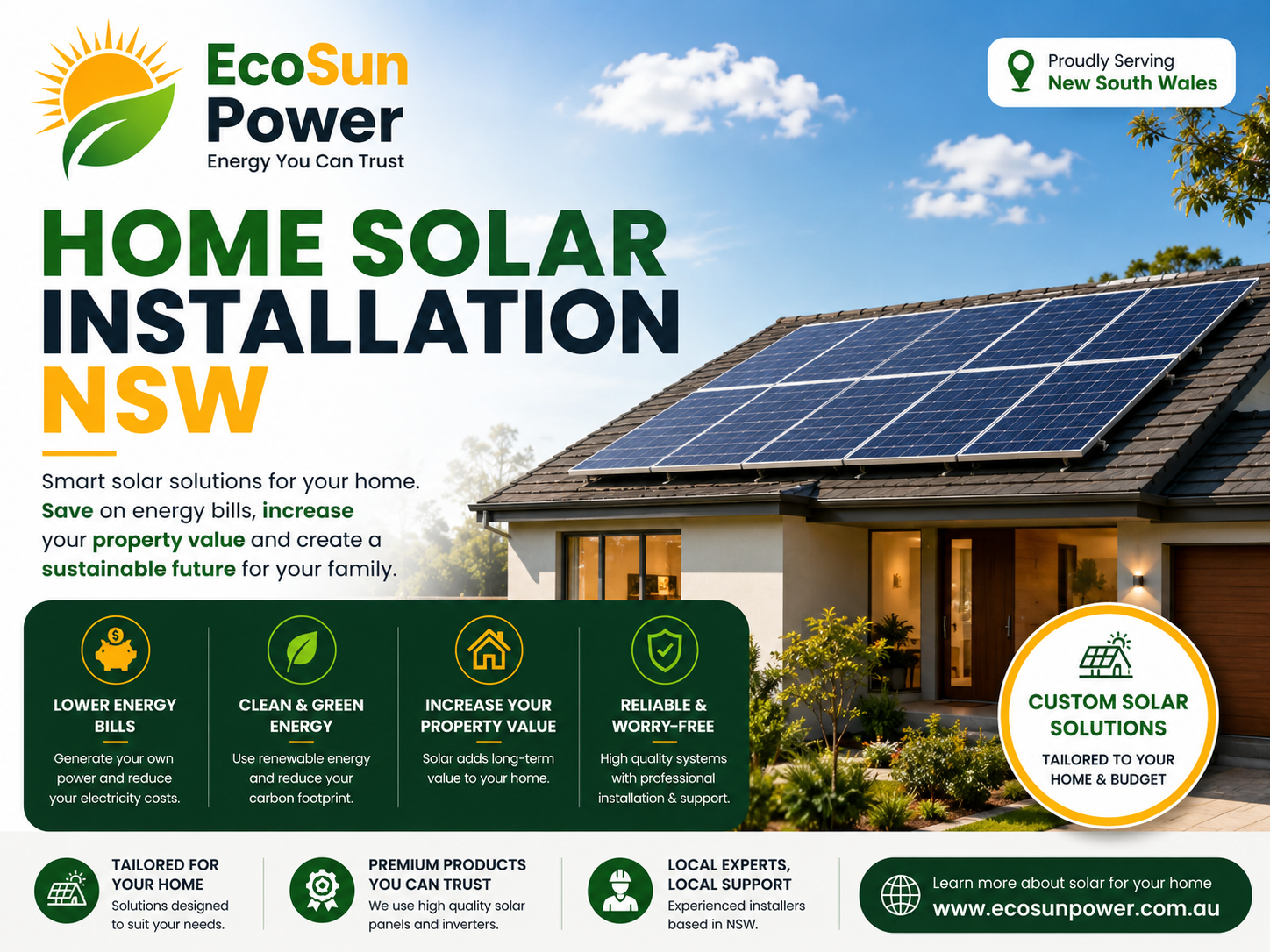
If you are considering home solar installation in NSW, you have probably already started looking at different solar companies, panel brands and system prices.
And that is where things can get a little confusing.
One company may recommend a particular system size, while another suggests something completely different. Some quotes include batteries, some don’t. Even the number of panels can vary.
The right solar system isn’t necessarily the biggest or cheapest one. It should make sense for your home, your electricity usage and your roof.
What Is Home Solar Installation?
Home solar installation is the process of installing a solar power system at a residential property.
A standard system usually includes solar panels, an inverter, mounting equipment and the electrical components needed to connect the system to your home.
The panels generate electricity from sunlight during the day. That electricity can then be used by your household.
If the system produces more electricity than your home is using at that time, the excess may be exported to the electricity grid, depending on your setup and electricity plan.
Why Consider Solar for Your Home in NSW?
Solar can give homeowners another way to generate electricity instead of relying entirely on the grid.
For households that use a reasonable amount of electricity during daylight hours, this can be particularly useful.
Daytime Electricity Usage Matters
Think about when your home actually uses electricity.
You may have air conditioning running during the afternoon, a pool pump operating for a few hours, or appliances being used while someone works from home.
Solar panels can generate electricity during these hours, allowing your home to use some of that energy directly.
The actual savings will vary depending on your system, electricity usage, location and electricity plan.
How Does Home Solar Installation Work?
The installation itself is only one part of the process.
A good installer should spend time understanding your property before putting anything on the roof.
1. Initial Property Assessment
The installer will usually assess your roof and available installation area.
They may look at:
- Roof size
- Roof condition
- Roof direction
- Roof pitch
- Shading
- Access to the roof
- Location for the inverter
This helps determine whether your property is suitable and where the panels should be installed.
2. Understanding Your Electricity Usage
Your recent electricity bills can help the installer understand how much electricity your household normally consumes.
They should also ask about your daily routine.
For example, a household that uses most of its electricity during the day may have different requirements from a household that is mostly empty until the evening.
3. Designing the System
Once the installer understands the property and electricity usage, they can recommend a suitable system.
The design should take available roof space and possible shading into account.
If you are considering an electric vehicle, heat pump or other high-energy equipment in the future, mention this as well.
4. Installing the Solar Panels
During installation, the mounting system is secured to the roof and the panels are positioned according to the system design.
The installer also handles the required cabling and electrical connections.
The finished installation should be neat, secure and properly tested.
How Many Solar Panels Does a Home Need?
This is one of the most common questions homeowners ask.
There isn’t a standard number that works for every house.
Your Electricity Consumption Comes First
Look at your electricity bills before choosing a system.
A home with high electricity consumption may need a larger system than a smaller household.
However, roof space and sunlight also matter.
A bigger system isn’t automatically better if the available roof area is limited or heavily shaded.
Choosing the Right Solar Panels
There are many panel brands and models available in the NSW market.
Instead of choosing a panel simply because you recognise the brand, look at its specifications and warranty.
Things Worth Comparing
Consider:
- Panel efficiency
- Product warranty
- Performance warranty
- Panel size
- Manufacturer information
- Suitability for your roof
Always ask for the exact panel model in the quotation.
This makes it easier to compare different solar companies.
The Solar Inverter Is Important Too
The inverter is one of the key components of your home solar system.
It converts the electricity generated by your solar panels into electricity that can be used by your home.
What Should You Check?
When comparing systems, ask about:
- Inverter brand
- Exact model
- Warranty
- Monitoring options
- Installation location
- Service arrangements
Don’t choose a system based only on the panels. The inverter deserves attention as well.
What About a Solar Battery?
A battery can store excess solar electricity for use later.
For example, your panels may produce more electricity than your home needs during the afternoon. Instead of sending all of that excess electricity to the grid, some systems can store it in a battery.
Does Every Home Need a Battery?
No.
It depends on how your household uses electricity.
If you use plenty of electricity during the day, you may already consume a large portion of your solar generation.
If your electricity usage is mainly in the evening, a battery may be worth considering.
The best approach is to look at your actual electricity consumption before adding the extra cost of storage.
Check Your Roof Before Installation
Solar panels can remain installed for many years, so the roof should be in reasonable condition before work begins.
Older Roofs Need Extra Attention
If your roof is already close to needing repairs or replacement, discuss this with the installer before proceeding.
Removing and reinstalling solar panels later can add unnecessary cost and inconvenience.
Don’t Forget About Shade
Trees, chimneys, neighbouring buildings and other structures can cast shadows over the roof.
Ask the installer to assess shading throughout the day rather than simply looking at the roof from one angle.
How Much Does Home Solar Installation Cost in NSW?
There is no single price for home solar installation.
The cost can depend on the size of the system, equipment selected, roof type, installation requirements and whether you add battery storage.
Compare Complete Quotes
When you receive several quotes, make sure you are comparing similar things.
Check whether each quote includes:
- Solar panels
- Inverter
- Mounting equipment
- Installation
- Electrical work
- Monitoring
- Warranty
- Battery, if required
- Any additional charges
A quote that looks cheaper at first may not include everything.
Finding a Reliable Home Solar Installer
The company installing your system is just as important as the equipment.
Check Credentials
Ask about the relevant electrical licensing and solar industry accreditation of the people carrying out the installation.
Read Customer Reviews
Reviews can give you an idea of how the company deals with customers before and after installation.
Pay attention to comments about communication, workmanship and how problems were handled.
Ask About After-Sales Support
A solar system is a long-term purchase.
Find out who you contact if the inverter stops working, monitoring goes offline or you have another issue with the system.
Solar Incentives and Rebates
Eligible NSW homeowners may have access to government incentives or schemes that can affect the upfront cost of solar.
However, these programs and their eligibility requirements can change.
Always Check Current Information
If an installer includes an incentive in your quotation, ask them to explain exactly what has been included.
It is also sensible to check current official government information before signing a contract.
Questions to Ask Before Installing Solar at Home
Before you agree to anything, ask your installer:
About the System
- What system size do you recommend?
- Why is it suitable for my electricity usage?
- Which exact panel model is included?
- Which inverter model will be installed?
About the Property
- Is my roof suitable?
- Are there shading problems?
- Does the roof need any repairs?
About Installation
- Who will carry out the installation?
- Are the installers appropriately licensed?
- Is all electrical work included in the price?
About Warranty
- What does the panel warranty cover?
- What does the inverter warranty cover?
- What workmanship warranty is provided?
- Who handles warranty claims?
These questions are simple, but they can help you understand exactly what you are buying.
Making the Most of Your Home Solar System
Once your solar system is installed, your daily electricity habits can make a difference.
Use Electricity During Solar Hours
Where practical, consider running some appliances during daylight hours.
For example, you might use your washing machine, dishwasher or pool pump while your panels are generating electricity.
This can help you make more direct use of the solar energy produced by your system.
Final Thoughts
Home solar installation in NSW can be a practical option for homeowners who want to generate some of their own electricity.
But the right system depends on your individual home.
Before making a decision, look at your electricity usage, roof condition, available sunlight and future energy needs. Then compare a few detailed quotes rather than choosing based only on the advertised price.
A properly designed system, installed by a qualified and reliable installer, is far more important than simply getting the cheapest solar package available.
Take your time, ask questions and make sure you understand the equipment, installation and warranty before you sign.