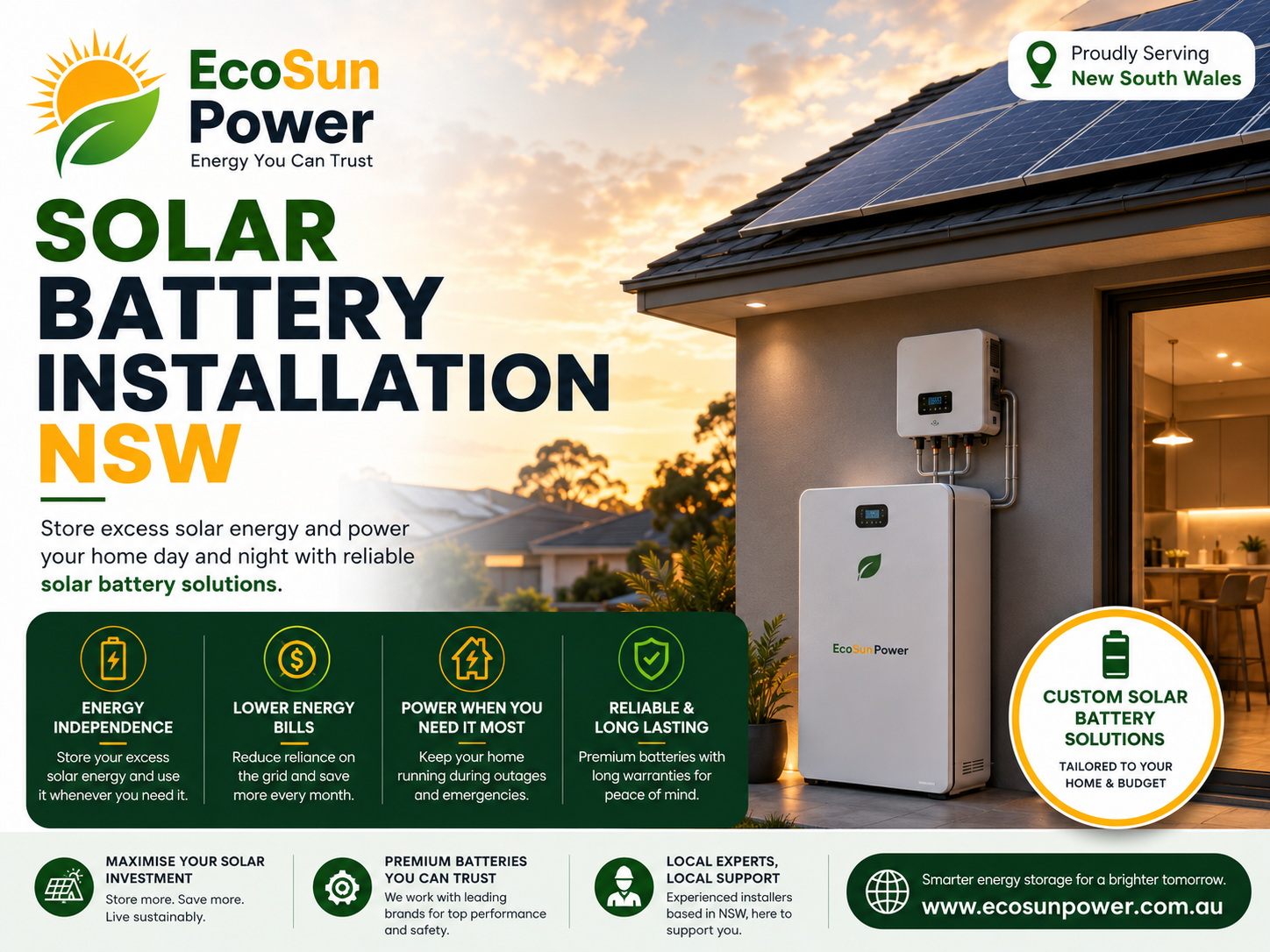
If you already have solar panels at home, or you are thinking about installing a new solar system, you may have come across the idea of adding a solar battery in NSW.
The basic idea is quite simple. Your solar panels produce electricity during the day, and a battery can store some of the excess electricity for use later.
For some homes, that can be useful. But a battery is not automatically the right choice for everyone.
Before paying for one, it is worth understanding how solar battery installation works, what affects the cost and whether your household will actually benefit from having one.
What Is a Solar Battery?
A solar battery stores electricity generated by your solar panels.
During the day, your panels may produce more electricity than your home is using. Instead of sending all of that excess electricity to the grid, a battery system can store some of it.
Later, when your panels are producing little or no electricity, the stored energy can be used by your home.
This is particularly relevant for households that use most of their electricity in the evening.
Why Install a Solar Battery in NSW?
Solar panels are great at producing electricity during daylight hours.
The problem is that many households don’t use most of their electricity at exactly the same time.
You might generate plenty of solar power in the afternoon but need more electricity after sunset when the panels are no longer producing.
A Battery Can Store Excess Solar Power
A battery gives you another option.
Instead of immediately exporting all your excess solar electricity, you can store some of it and use it later.
How useful this is depends on your electricity consumption and the size of your solar system and battery.
How Does Solar Battery Installation Work?
Installing a battery is more than simply placing a large battery somewhere in the garage.
The installer needs to make sure the battery works correctly with your solar system and home’s electrical setup.
Step 1: Assess Your Existing Solar System
If you already have solar panels, the installer will need to check your existing system.
They may look at:
- Solar panel capacity
- Existing inverter
- Inverter compatibility
- Current electricity usage
- Available installation space
- Existing electrical equipment
Not every battery works with every existing solar setup, so compatibility matters.
Step 2: Understand Your Electricity Usage
Your electricity bills can provide useful information about how much energy you use.
More importantly, the installer should look at when you use electricity.
A home that uses most of its electricity during the day may have less need for a large battery.
A household with high evening consumption may have a different requirement.
Step 3: Choose the Battery Size
Battery capacity is usually measured in kilowatt-hours (kWh).
The correct size depends on your energy consumption and the amount of excess solar electricity your system normally produces.
A bigger battery isn’t automatically better.
If your solar system doesn’t generate enough excess electricity to fill the battery regularly, paying for a much larger battery may not make sense.
Step 4: Install and Connect the Battery
Once the system has been designed, the battery is installed in a suitable location.
The installer connects it to the solar and electrical system and completes the required testing.
The final setup should be checked carefully before the system is handed over.
Where Can a Solar Battery Be Installed?
Battery placement is an important part of the installation.
The installer needs to choose a suitable location that meets the manufacturer’s requirements and applicable installation rules.
Depending on the property and battery, this could be a garage, utility area or another appropriate location.
Don’t Choose the Location Yourself
A battery should not simply be placed wherever there happens to be spare space.
The installer should consider factors such as ventilation, accessibility, environmental conditions and manufacturer requirements.
How Much Does
- Battery brand and model
- Existing solar system
- Inverter requirements
- Installation complexity
- Electrical work
- Additional equipment
- Whether a new solar system is installed at the same time
Compare the Complete Batt
Solar Battery Installation Cost in NSW?
There isn’t one fixed price for battery installation.
The total cost can depend on:
- Battery capacity
ery Package
When comparing quotes, check whether the price includes installation and all required electrical work.
Ask whether any additional equipment is needed to connect the battery to your existing system.
A very low advertised price may not represent the final amount you actually pay.
Choosing the Right Solar Battery
There are many battery products available, and they can differ considerably.
Things Worth Comparing
Look at:
- Usable battery capacity
- Battery chemistry
- Warranty
- Expected cycle life
- Power output
- Compatibility with your inverter
- Monitoring features
- Installation requirements
- Manufacturer support
Don’t compare batteries only by their advertised storage capacity.
A battery’s usable capacity and power output can also matter.
AC-Coupled vs DC-Coupled Batteries
You may come across these terms when speaking with installers.
AC-Coupled Battery
An AC-coupled battery system is generally connected on the AC side of the electrical system.
This type of setup can be useful when adding a battery to an existing solar installation, depending on the equipment already installed.
DC-Coupled Battery
A DC-coupled setup connects the battery more directly with the solar generation side of the system.
The best option depends on your existing equipment and the system being designed.
You don’t necessarily need to understand all the technical details yourself. Ask your installer why they are recommending a particular setup.
Can You Add a Battery to Existing Solar Panels?
In many cases, yes.
But it depends on the existing solar system.
Check Your Existing Inverter
The age and type of your inverter can affect your options.
Some systems may require additional equipment, while others may be more straightforward to upgrade.
Before purchasing a battery, have a qualified installer inspect your existing solar setup.
What About Solar Battery Rebates in NSW?
Government incentives and battery programs can change over time.
Eligibility can also depend on the property, equipment and installation requirements.
Check Current Information Before Buying
If a company advertises a battery price after a rebate or incentive, ask them to explain how the figure was calculated.
Don’t assume that an incentive mentioned in an old advertisement is still available under the same conditions.
Check current government information before making your final decision.
How Long Does a Solar Battery Last?
Battery lifespan depends on the product, usage, operating conditions and other factors.
Manufacturers generally provide a warranty that specifies certain performance or capacity conditions over a particular period.
Read the Warranty Carefully
Don’t look only at the number of years.
Check what the warranty actually covers and whether there are conditions relating to cycles, energy throughput or minimum remaining capacity.
Also ask who will handle a warranty claim if something goes wrong.
Do You Really Need a Solar Battery?
This is probably the most important question.
A battery can be useful, but it isn’t essential for every solar household.
A Battery May Make More Sense If:
- Your household uses a lot of electricity after sunset
- You regularly produce excess solar electricity during the day
- You want to use more of your own solar generation
- Your electricity plan makes storage attractive
You May Want to Wait If:
- You already use most of your solar electricity during the day
- Your solar system produces little excess electricity
- The battery cost is difficult to justify
- Your electricity usage may change significantly in the near future
A proper assessment of your electricity usage is more useful than a generic recommendation.
How to Choose a Solar Battery Installer in NSW
The battery itself is only part of the purchase.
Installation quality matters because the battery needs to be correctly integrated with your solar and electrical system.
Check the Installer’s Credentials
Ask who will carry out the electrical work and whether they hold the appropriate licences and qualifications.
Ask About Battery Experience
Battery installation is different from simply installing solar panels.
Ask whether the company regularly installs the particular battery brand and model they are recommending.
Check After-Sales Support
Find out what happens if the battery develops a fault.
Ask whether the installer handles warranty issues or whether you need to contact the manufacturer yourself.
Making Better Use of Your Solar Battery
Once your battery is installed, your electricity usage still matters.
Try to understand when your solar system is producing electricity and when your household is consuming it.
Don’t Treat the Battery as Unlimited Storage
The battery has a fixed capacity.
If your home uses more electricity than the battery can provide, you may still need electricity from the grid.
Likewise, if the battery is already full, additional solar generation may be exported to the grid depending on your system.
Understanding this helps set realistic expectations.
Final Thoughts
Solar battery installation in NSW can be a useful addition to a home solar system, particularly for households that generate excess solar electricity during the day and use more electricity in the evening.
But the right battery depends on your solar system, electricity usage, available installation space and budget.
Before buying one, compare battery specifications, warranties, installation costs and after-sales support.
Most importantly, ask the installer to explain why the recommended battery size and system design make sense for your home.
A battery should solve a real energy need rather than simply being added because it is included in a popular solar package.