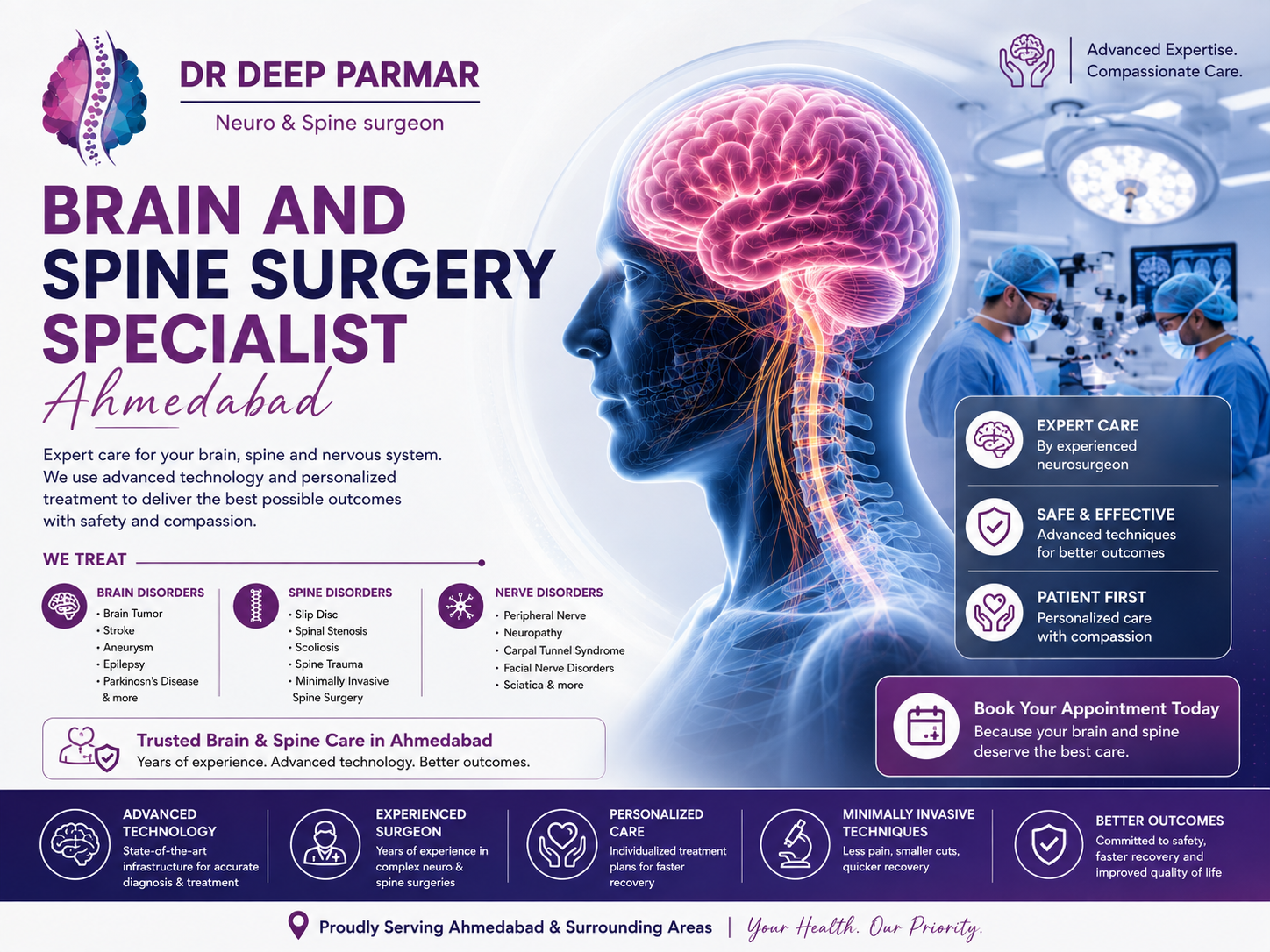
When a health problem affects the brain, spine, spinal cord or nerves, finding the right specialist is an important step. Patients searching for a brain and spine surgery specialist in Ahmedabad are often looking for a doctor who can evaluate their condition properly and explain whether they need surgery or another form of treatment.
Brain and spine surgery covers many different medical conditions. A brain tumour, head injury, slipped disc and spinal cord compression are not treated in the same way. The experience required can also vary depending on the complexity of the case.
Ahmedabad has neurosurgeons, spine specialists and hospitals offering treatment for a wide range of brain and spinal conditions. The right specialist should be selected based on the patient’s diagnosis, symptoms, investigation reports and required treatment.
What Is a Brain and Spine Surgery Specialist?
A brain and spine surgery specialist is generally a neurosurgeon with expertise in surgical conditions involving the brain, spine, spinal cord and nerves.
Some neurosurgeons focus primarily on brain surgery, while others have extensive experience in spinal procedures as well. There are also specialists with focused expertise in areas such as minimally invasive spine surgery, neuro-oncology, neurotrauma and neurovascular surgery.
What Conditions Can a Brain and Spine Specialist Treat?
Depending on their training and area of expertise, a specialist may treat:
- Brain tumours
- Spinal tumours
- Head injuries
- Brain haemorrhage
- Hydrocephalus
- Spinal cord injuries
- Slipped discs
- Herniated discs
- Sciatica
- Spinal stenosis
- Nerve compression
- Spinal fractures
- Spondylolisthesis
- Spinal deformities
- Degenerative spine conditions
- Selected vascular brain conditions
Not every condition requires surgery. Treatment is decided after proper evaluation.
When Should You Consult a Brain and Spine Specialist?
Many common headaches and backaches can be managed by a general physician, neurologist or orthopaedic specialist.
A brain and spine surgery specialist may become involved when there is a structural problem or neurological condition that requires specialist assessment.
Common Reasons to Seek Specialist Advice
You may be referred to a specialist if you have:
- Persistent back or neck pain
- Pain travelling into an arm or leg
- Numbness or tingling
- Muscle weakness
- Difficulty walking
- Nerve compression
- Spinal cord compression
- An abnormal MRI or CT scan
- A diagnosed brain tumour
- A spinal tumour
- Head or spinal injury
- Brain bleeding
- A condition that may require surgery
Brain Surgery and Spine Surgery Are Different
Although both come under neurosurgical care, brain and spine surgery involve different techniques, risks and areas of expertise.
Brain Surgery
Brain surgery may be required for selected conditions such as:
- Brain tumours
- Certain vascular abnormalities
- Brain haemorrhage
- Hydrocephalus
- Traumatic brain injuries
- Selected epilepsy-related conditions
The type of procedure depends on the location, size and nature of the problem.
Spine Surgery
Spine surgery may be considered for selected conditions such as:
- Slipped discs
- Nerve compression
- Spinal stenosis
- Spinal instability
- Spinal fractures
- Spinal tumours
- Spinal cord compression
- Certain spinal deformities
A patient with a spine problem may not need surgery. Conservative treatment is often considered first when appropriate.
Does Seeing a Brain and Spine Surgeon Mean You Need Surgery?
No.
This is an important point for patients searching for a brain and spine surgery specialist in Ahmedabad.
A specialist consultation is primarily about diagnosis and treatment planning.
Non-Surgical Treatment May Include
Depending on the condition, the doctor may recommend:
- Medicines
- Physiotherapy
- Exercise
- Rehabilitation
- Observation
- Activity modification
- Pain management
- Regular follow-up
Surgery is considered only when it is medically appropriate.
Common Brain Surgery Procedures
Different brain conditions require different procedures.
Craniotomy
A craniotomy involves temporarily removing part of the skull to provide access to the brain.
It can be used for selected brain tumours, bleeding and other conditions.
Brain Tumour Surgery
Depending on the tumour, surgery may be used to remove all or part of a tumour or obtain tissue for diagnosis.
The surgical approach depends on the tumour’s location, size, type and relationship with important brain structures.
Hydrocephalus Procedures
Hydrocephalus involves an abnormal accumulation of cerebrospinal fluid.
Selected patients may require procedures to improve the drainage or circulation of this fluid.
Common Spine Surgery Procedures
Discectomy
A discectomy involves removing the portion of a disc that is compressing a nerve.
It may be considered for selected patients with symptomatic disc herniation.
Laminectomy
Laminectomy removes part of the vertebral bone to create additional space around compressed nerves or the spinal cord.
It may be used in selected cases of spinal stenosis.
Spinal Fusion
Spinal fusion is designed to stabilise certain spinal segments by joining vertebrae together.
It may be considered for selected conditions involving instability, deformity or other structural problems.
Spine Decompression
Decompression surgery aims to relieve pressure on the spinal cord or nerves.
The exact technique depends on what is causing the compression.
Minimally Invasive Brain and Spine Surgery
Advances in surgical technology have introduced minimally invasive techniques for selected procedures.
These approaches may use specialised instruments, imaging and smaller surgical pathways.
What Are the Potential Benefits?
For suitable patients and procedures, minimally invasive techniques may offer:
- Smaller surgical approaches
- Less disruption to surrounding tissues
- Potentially shorter hospital stays for selected procedures
- Earlier mobilisation in appropriate cases
However, minimally invasive surgery is not suitable for every condition.
Who Is a Candidate?
The decision depends on:
- Diagnosis
- Location of the problem
- Severity
- Imaging findings
- Previous surgery
- General health
- Type of procedure required
The specialist should recommend the approach after evaluating the individual patient.
How to Choose a Brain and Spine Surgery Specialist in Ahmedabad
There are several specialists available in Ahmedabad. Choosing the right one requires more than checking an online rating.
Check Qualifications
Look at the doctor’s medical qualifications and specialised neurosurgical training.
Additional fellowship training can be relevant depending on the condition, particularly in areas such as spine surgery, neuro-oncology, neurovascular surgery or minimally invasive procedures.
Consider Experience With Your Condition
This is especially important for complex cases.
If you have a brain tumour, look for relevant experience in brain tumour surgery.
If you have a complex spine problem, consider a specialist with experience in the specific spinal procedure or condition involved.
Ask About Relevant Experience
During your consultation, you can ask:
- How frequently do you treat this condition?
- How is my condition usually treated?
- Do I need surgery?
- What alternatives are available?
- What type of procedure would you recommend?
- What are the possible risks?
Choosing the Right Hospital
The surgeon is only one part of the treatment process.
A hospital may need to provide specialised facilities depending on the procedure.
Important Hospital Facilities
These may include:
- MRI and CT imaging
- Neurosurgical operating theatres
- Neuro-anaesthesia
- ICU facilities
- Emergency care
- Neurology support
- Physiotherapy
- Rehabilitation
- Post-operative monitoring
For complex brain and spine procedures, access to multiple specialist departments can be particularly useful.
What Tests May Be Required?
The tests depend on the symptoms and suspected diagnosis.
Common Investigations
A specialist may recommend:
- MRI
- CT scan
- X-ray
- Blood tests
- Nerve conduction studies
- Electromyography
- Other specialised investigations
You may not need all of these tests.
The doctor decides what is appropriate after reviewing your symptoms and medical history.
Preparing for Your Consultation
A little preparation can make your appointment more productive.
Bring Your Medical Reports
Take any relevant:
- MRI reports
- MRI images
- CT scans
- X-rays
- Blood reports
- Previous prescriptions
- Hospital discharge summaries
- Previous surgery records
- Physiotherapy records
Write Down Your Symptoms
Note:
- When symptoms started
- Whether they are getting worse
- Location of pain
- Numbness or tingling
- Weakness
- Difficulty walking
- Previous treatments
- Current medicines
This information can help the specialist understand your medical history.
Questions to Ask Your Specialist
It is important to understand the treatment before making a decision.
Questions Worth Asking
- What is my exact diagnosis?
- What is causing the problem?
- What do my MRI or CT results show?
- Do I need surgery?
- Can I try non-surgical treatment first?
- What procedure are you recommending?
- Why is this procedure appropriate for me?
- Are there alternatives?
- What are the possible risks?
- How long could recovery take?
- Will I need rehabilitation?
- Should I take a second opinion?
How Much Does Brain and Spine Surgery Cost in Ahmedabad?
There is no single fixed cost for brain or spine surgery.
The total expense depends on the patient’s diagnosis and the treatment required.
Factors That Can Affect the Cost
The cost may include:
- Consultation
- Surgeon fees
- Type of surgery
- Complexity of the procedure
- Hospital charges
- Anaesthesia
- Diagnostic tests
- Implants
- ICU requirements
- Room charges
- Length of hospital stay
- Medicines
- Follow-up treatment
- Rehabilitation
Brain surgery and complex spinal procedures can have very different costs from relatively straightforward procedures.
For this reason, ask the hospital for a detailed estimate after the specialist has evaluated your condition.
Is Brain and Spine Surgery Covered by Insurance?
Many health insurance policies may cover medically necessary hospitalisation and surgery, subject to the policy terms.
Before treatment, check:
- Network hospital status
- Pre-authorisation requirements
- Waiting periods
- Coverage limits
- Co-payment
- Room-rent restrictions
- Implant coverage
The hospital’s insurance department can help explain the process.
Recovery After Brain or Spine Surgery
Recovery varies considerably depending on the procedure.
A patient undergoing a straightforward spine procedure may recover differently from someone undergoing complex brain surgery.
Recovery May Include
Depending on the operation:
- Pain management
- Gradual physical activity
- Physiotherapy
- Rehabilitation
- Follow-up appointments
- Repeat imaging
- Temporary restrictions on certain activities
Your specialist will provide specific instructions based on your surgery and recovery.
When Should You Get a Second Opinion?
A second opinion can be useful before major brain or spine surgery.
It can help you understand whether the proposed treatment is appropriate and whether other options are available.
A Second Opinion May Be Particularly Useful When
- Major surgery has been recommended
- Spinal fusion has been suggested
- A brain tumour has been diagnosed
- The condition is complex
- Several treatment options are available
- You are uncertain about the proposed procedure
Getting another professional opinion does not mean that the first surgeon is wrong. It simply gives you additional information before making a major decision.
Emergency Brain and Spine Symptoms
Some symptoms require immediate medical attention.
Seek Emergency Care If You Experience
- Sudden weakness or paralysis
- Sudden difficulty speaking
- Loss of consciousness
- Severe head injury
- Rapidly worsening neurological symptoms
- Sudden severe neurological changes
- Loss of bladder or bowel control with serious spinal symptoms
- Severe symptoms following a major accident
Do not wait for a routine specialist appointment in a medical emergency.
Frequently Asked Questions
What is a brain and spine surgery specialist?
A brain and spine surgery specialist is generally a neurosurgeon who has expertise in treating surgical conditions affecting the brain, spine, spinal cord and nerves.
How do I find a brain and spine surgery specialist in Ahmedabad?
Check the specialist’s qualifications, relevant experience, area of expertise, hospital facilities and approach to treatment. For major procedures, you can also consider a second opinion.
Can the same neurosurgeon treat both brain and spine conditions?
Yes. Some neurosurgeons have experience in both brain and spine surgery, while others focus more heavily on one particular area.
Does every spine problem require surgery?
No. Many spine conditions can initially be managed with medicines, physiotherapy, exercise, observation or other conservative treatments.
Can a neurosurgeon treat slipped disc?
Yes. Neurosurgeons with spine expertise may treat selected slipped-disc cases. Treatment may be surgical or non-surgical depending on the patient’s condition.
Can a neurosurgeon perform brain tumour surgery?
Yes. Neurosurgeons can perform surgery for selected brain tumours. The approach depends on the tumour’s type, location, size and other clinical factors.
How much does brain surgery cost in Ahmedabad?
The cost depends on the type and complexity of the surgery, hospital, surgeon fees, investigations, ICU requirements and hospital stay. A personalised estimate should be obtained from the treating hospital.
How much does spine surgery cost in Ahmedabad?
The cost varies depending on the procedure, hospital, surgeon, implants, diagnostic tests and length of stay. Simple and complex spine procedures can have significantly different costs.
Should I get a second opinion before neurosurgery?
For major or complex brain or spine surgery, a second opinion can help you understand the diagnosis, treatment alternatives, risks and expected recovery.
When should I urgently see a neurosurgeon?
Sudden weakness, loss of consciousness, difficulty speaking, severe head injury, rapidly worsening neurological symptoms or serious spinal symptoms require prompt medical evaluation.
Final Thoughts
Finding the right brain and spine surgery specialist in Ahmedabad is about matching the specialist’s expertise with your particular medical condition.
Brain and spine problems can vary greatly, and the treatment that works for one patient may not be appropriate for another. Take time to understand your diagnosis, review your reports and discuss both surgical and non-surgical options with a qualified specialist.
When surgery is recommended, ask why it is needed, what alternatives exist, what risks are involved and what recovery may look like.
For major procedures, a second opinion can also help you make a more informed decision.
Most importantly, serious or sudden neurological symptoms should receive immediate medical attention. Online information can help you prepare for a consultation, but it should never replace professional medical evaluation.