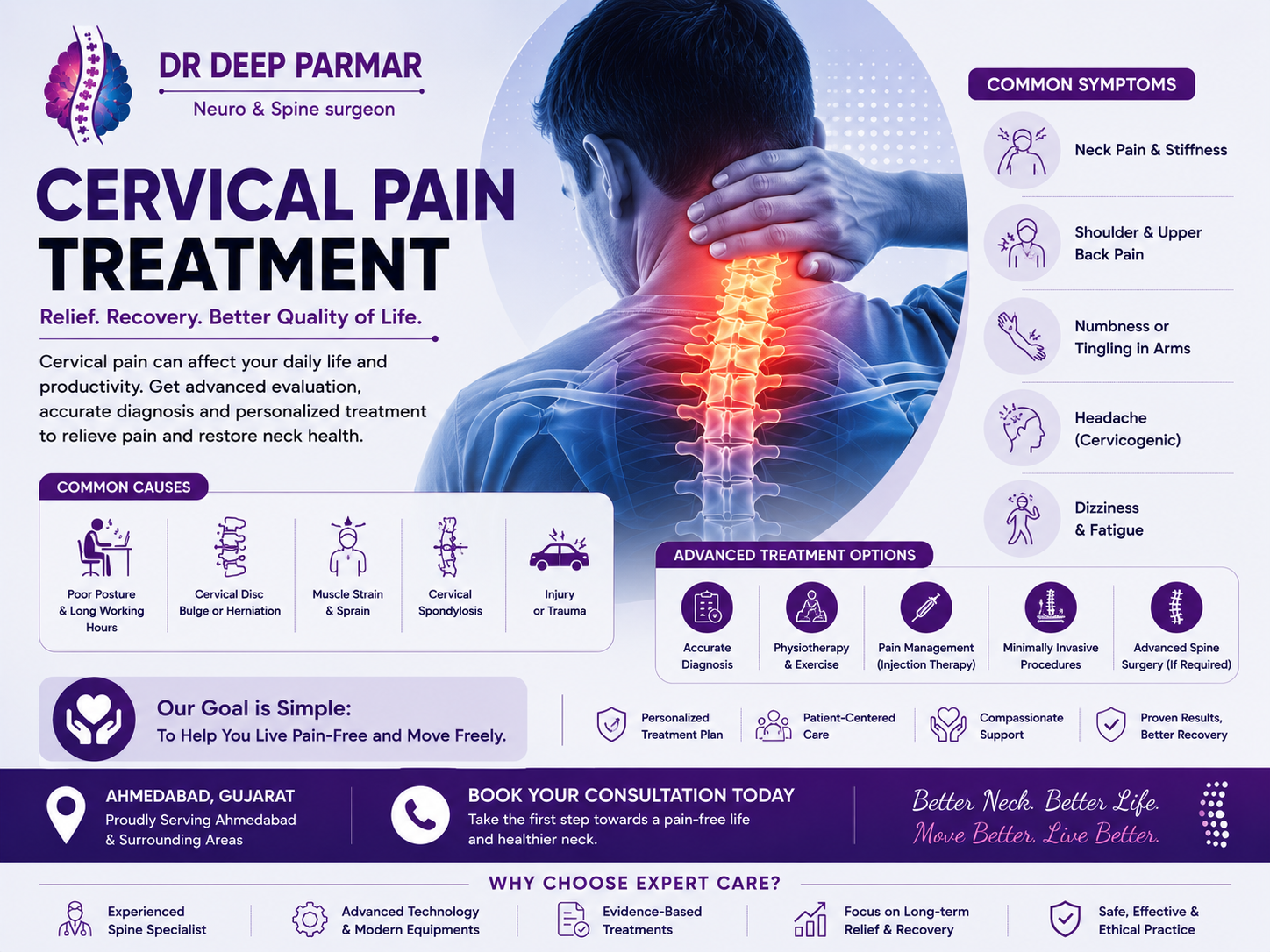
Cervical pain treatment depends on what is causing the pain, how long it has been present, and whether nerves or the spinal cord are involved. Cervical pain usually refers to pain or discomfort in the neck region and can sometimes extend into the shoulders, arms, or hands.
Neck pain is common and may be related to posture, muscle strain, age-related changes in the cervical spine, disc problems, or nerve compression. While many cases improve with conservative treatment, persistent or severe symptoms should be evaluated by a qualified doctor.
What Is Cervical Pain?
The cervical spine is the upper portion of the spinal column that forms the neck. It contains seven vertebrae and supports the head while allowing the neck to move.
Pain in this region may feel like:
- Neck stiffness
- Dull or aching pain
- Sharp pain during movement
- Pain extending toward the shoulder
- Tingling or numbness in the arm
- Headache associated with neck discomfort
- Reduced neck movement
The exact symptoms depend on the underlying cause.
Common Causes of Cervical Pain
There are several possible causes of neck pain. Identifying the cause is an important part of choosing the right treatment.
Poor Posture
Spending long periods looking down at a phone, working at a computer, or sitting in an uncomfortable position can place additional strain on the muscles and structures around the neck.
Over time, poor posture may contribute to recurring neck discomfort.
Muscle Strain
Sudden movements, excessive physical activity, awkward sleeping positions, or prolonged sitting can strain the muscles around the cervical spine.
This type of pain may improve with rest and appropriate conservative care.
Cervical Disc Problems
The discs between the cervical vertebrae act as cushions. Changes in these discs can sometimes cause neck pain or irritate nearby nerves.
Cervical Spondylosis
Cervical spondylosis refers to age-related changes affecting the bones and discs in the neck. Some people have these changes without symptoms, while others may experience pain, stiffness, or nerve-related symptoms.
Nerve Compression
When a nerve in the cervical spine becomes irritated or compressed, pain may travel from the neck into the shoulder, arm, or hand.
Numbness, tingling, or weakness may also occur.
Symptoms That May Occur With Cervical Pain
Cervical pain does not always remain limited to the neck.
Neck Pain and Stiffness
You may experience difficulty turning or bending your neck, particularly after sleeping, working, or remaining in one position for a long time.
Shoulder and Arm Pain
Pain caused by cervical nerve irritation may travel from the neck into the shoulder and arm.
Numbness and Tingling
Pins-and-needles sensations, numbness, or burning in the arm or hand may indicate nerve involvement.
Weakness
Weakness in the arm or hand should be properly evaluated, particularly when it is new or getting worse.
How Is Cervical Pain Diagnosed?
Treatment should ideally begin with an accurate diagnosis.
Medical History
The doctor may ask about:
- How long you have had pain
- How the pain started
- Whether there was an injury
- Whether pain travels into the arm
- Whether you have numbness or tingling
- Whether you have noticed weakness
- Previous treatments or medications
Physical Examination
The doctor may assess neck movement, muscle strength, reflexes, sensation, and other neurological functions.
Imaging Tests
Depending on your symptoms, the doctor may recommend an X-ray, MRI, CT scan, or another diagnostic test.
An MRI can provide useful information about discs, nerves, and the spinal cord. However, imaging findings should be interpreted together with your symptoms and examination.
Cervical Pain Treatment Options
Treatment depends on the underlying cause and severity of the condition. Many people with uncomplicated neck pain improve without surgery.
Medication
A doctor may recommend appropriate medicines for pain, inflammation, or muscle-related symptoms depending on the diagnosis.
Medication should be taken according to medical advice rather than continued independently for long periods.
Physiotherapy
Physiotherapy can be an important part of cervical pain management. Depending on the condition, treatment may focus on:
- Improving neck movement
- Strengthening supporting muscles
- Improving posture
- Reducing stiffness
- Restoring normal function
A physiotherapist can recommend exercises based on your specific condition.
Posture Correction
Improving sitting and working posture can help reduce unnecessary strain on the neck.
If you work at a desk, keeping the screen at a comfortable height and taking regular movement breaks can be useful.
Heat or Cold Therapy
Depending on the cause and stage of the pain, a doctor or physiotherapist may suggest heat or cold therapy for short-term symptom relief.
Cervical Pain Treatment Without Surgery
Most neck pain does not automatically require an operation.
Conservative treatment may include:
- Appropriate medication
- Physiotherapy
- Specific exercises
- Posture modification
- Activity modification
- Lifestyle changes
- Observation and follow-up
The exact combination depends on the diagnosis.
When Conservative Treatment May Help
Non-surgical treatment may be considered when symptoms are mild or moderate and there is no significant neurological deterioration.
If symptoms persist despite appropriate treatment, further evaluation may be required.
When Is Cervical Spine Surgery Considered?
Surgery is generally considered only when there is a clear reason for it.
Persistent Nerve Compression
If a compressed cervical nerve continues to cause significant pain, numbness, or weakness despite appropriate conservative treatment, surgery may sometimes be considered.
Spinal Cord Compression
Compression of the cervical spinal cord can be more serious. It may cause symptoms such as difficulty walking, balance problems, hand clumsiness, or weakness.
Depending on the underlying condition, surgical treatment may be recommended.
Severe or Progressive Neurological Symptoms
Progressive weakness or other significant neurological changes require prompt medical assessment.
Types of Cervical Spine Surgery
The procedure depends on the exact problem.
Cervical Discectomy
A cervical discectomy involves removing part or all of a damaged disc that is causing nerve or spinal cord compression.
Cervical Decompression
A decompression procedure aims to relieve pressure on the nerves or spinal cord.
Cervical Fusion
In selected cases, spinal fusion may be performed to stabilize the affected spinal segment after removing the source of compression.
Not every patient with cervical pain requires these procedures.
When Should You See a Doctor for Cervical Pain?
You should consider medical evaluation when:
- Neck pain persists or repeatedly returns
- Pain spreads into your shoulder or arm
- You experience persistent numbness or tingling
- You notice weakness in your arm or hand
- Neck movement becomes significantly restricted
- Symptoms interfere with sleep or daily activities
- Pain develops after an injury
Red-Flag Symptoms
Seek urgent medical attention if you develop significant or rapidly worsening weakness, severe difficulty walking, loss of bladder or bowel control, or serious symptoms after a major injury.
These symptoms can sometimes indicate significant spinal cord or nerve involvement.
How to Prevent Cervical Pain
Not every cause of neck pain can be prevented, but everyday habits can help reduce unnecessary strain.
Maintain a Comfortable Posture
Keep your head and neck in a comfortable position while working, studying, or using a phone.
Take Regular Breaks
Avoid remaining in the same position for long periods. Stand up, move around, and change your position regularly.
Use an Appropriate Pillow
A pillow that keeps your neck in a comfortable and neutral position may help reduce morning stiffness for some people.
Exercise Regularly
Appropriate strengthening and mobility exercises can help support the neck and upper back. Exercises should be selected according to your condition, especially if you already have significant pain or neurological symptoms.
Frequently Asked Questions
What is the best treatment for cervical pain?
There is no single treatment that works for every person. Depending on the cause, treatment may include medication, physiotherapy, exercises, posture correction, or surgery in selected cases.
Can cervical pain be treated without surgery?
Yes. Many cases of cervical pain can be managed with non-surgical treatment, particularly when there is no serious nerve or spinal cord problem.
Is cervical spondylosis curable?
Cervical spondylosis involves age-related changes in the spine, which cannot simply be reversed. However, symptoms can often be managed with appropriate treatment and lifestyle changes.
Can cervical pain cause arm pain?
Yes. If a nerve in the cervical spine becomes irritated or compressed, pain may travel from the neck into the shoulder, arm, or hand.
When does cervical pain require surgery?
Surgery may be considered when there is significant nerve or spinal cord compression, persistent symptoms despite appropriate treatment, or progressive neurological problems.
Final Thoughts
Effective cervical pain treatment starts with understanding what is causing the neck pain. Simple muscle strain and posture-related discomfort may improve with conservative care, while disc problems, nerve compression, or spinal cord compression may require specialist evaluation.
If neck pain is persistent or accompanied by numbness, tingling, weakness, balance problems, or pain travelling into the arm, it is better to get a proper medical assessment rather than continuing self-treatment.
The most appropriate treatment should be based on your symptoms, examination, medical history, and diagnostic findings.