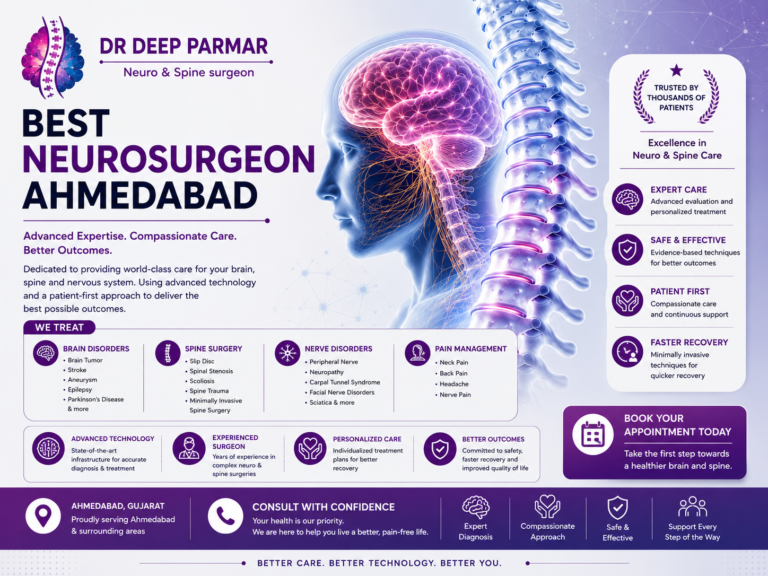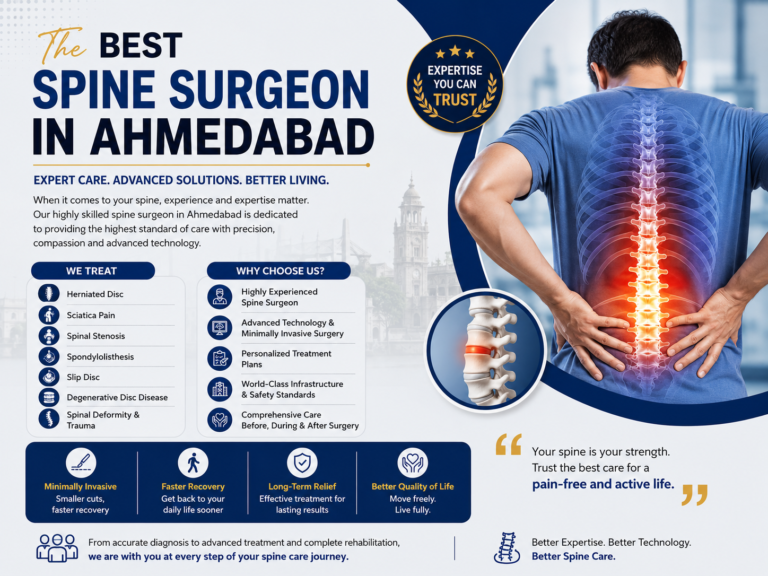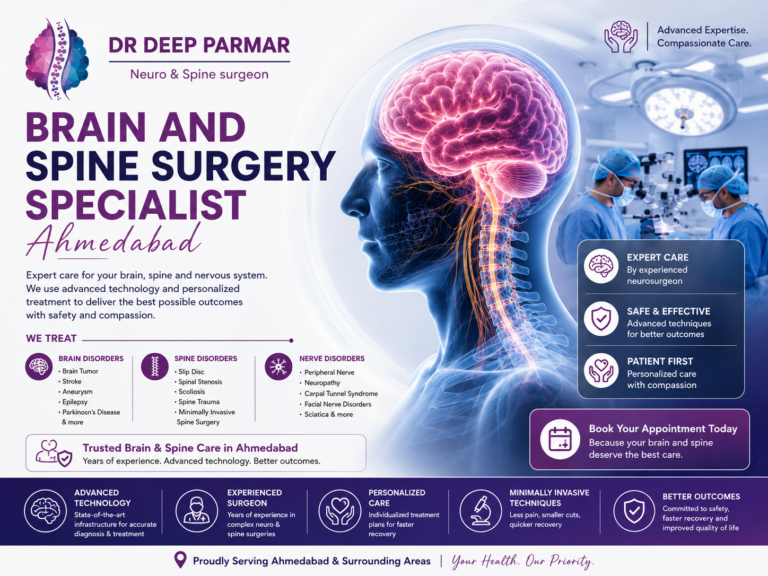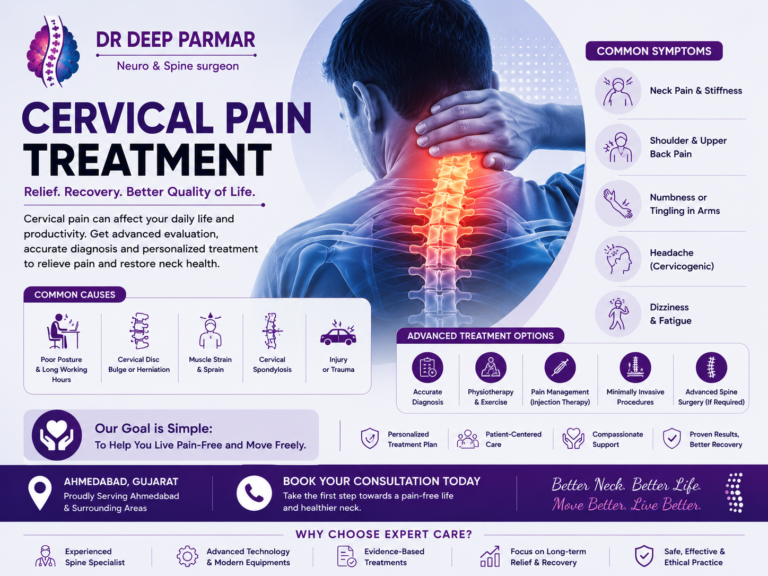
Finding the right neurosurgeon in Ahmedabad can feel confusing, especially when you or someone in your family is dealing with a brain, spine, or nerve-related problem. Neurosurgical conditions often need careful evaluation because symptoms can vary from simple headaches or back pain to more serious neurological issues.
A neurosurgeon is a specialist who evaluates and treats conditions affecting the brain, spinal cord, nerves, and spine. Surgery is not always the first option. In many cases, a neurosurgeon may recommend medicines, physiotherapy, lifestyle changes, observation, or other non-surgical treatments depending on the condition.
What Does a Neurosurgeon Do?
A neurosurgeon is a medical specialist trained to diagnose and treat disorders involving the nervous system. Their work is not limited to performing surgery.
During a consultation, the doctor may review your symptoms, medical history, previous reports, and imaging such as MRI or CT scans. Based on these findings, they can determine whether surgery is actually required.
Conditions Treated by a Neurosurgeon
A neurosurgeon may manage a wide range of neurological and spinal conditions, including:
- Brain tumors
- Head injuries
- Brain hemorrhage
- Hydrocephalus
- Spine disorders
- Slip disc and herniated disc
- Spinal stenosis
- Spinal cord compression
- Nerve compression
- Certain congenital neurological conditions
- Traumatic brain and spinal injuries
The appropriate treatment depends on the individual’s condition, symptoms, age, medical history, and diagnostic findings.
When Should You Consult a Neurosurgeon in Ahmedabad?
Not every headache or backache requires a neurosurgical consultation. However, certain symptoms should not be ignored, particularly when they are persistent, severe, or getting worse.
You may consider consulting a neurosurgeon if you experience:
Persistent or Severe Headaches
Frequent or unusually severe headaches, especially when associated with vomiting, vision changes, weakness, confusion, or other neurological symptoms, may require medical evaluation.
Back Pain With Numbness or Weakness
Back pain accompanied by pain travelling into the leg, numbness, tingling, or weakness can sometimes indicate nerve compression or a spinal problem.
Loss of Balance or Coordination
Unexplained difficulty walking, poor balance, or coordination problems can have several causes and may require neurological assessment.
Changes in Speech, Vision, or Movement
Sudden changes in speech, vision, facial movement, or limb strength should receive urgent medical attention.
Brain Surgery and Neurosurgical Treatment
Modern neurosurgery involves different approaches depending on the location and nature of the problem. A neurosurgeon may recommend surgery when the expected benefits outweigh the risks of continuing with non-surgical treatment.
Brain Tumor Surgery
Some brain tumors may require surgery to remove as much of the tumor as safely possible. The exact surgical approach depends on the tumor’s size, location, type, and relationship with important brain structures.
Treatment for Brain Hemorrhage
Certain types of brain bleeding can require urgent neurosurgical treatment. Depending on the cause and severity, treatment may involve surgery, minimally invasive procedures, medication, or close monitoring.
Head Injury Treatment
Serious head injuries can sometimes cause bleeding or swelling inside the skull. Neurosurgical evaluation can help determine the appropriate treatment.
Spine Surgery in Ahmedabad
Spine-related problems are another common reason people seek a neurosurgical consultation. Persistent spinal pain does not automatically mean surgery is necessary.
Common Spine Problems
A neurosurgeon may evaluate conditions such as:
- Herniated or slipped discs
- Cervical spine problems
- Lumbar spine disorders
- Spinal stenosis
- Nerve compression
- Spinal cord compression
- Certain spinal tumors
- Spinal fractures and injuries
Is Spine Surgery Always Necessary?
No. Many spine conditions can improve with conservative treatment such as medication, physiotherapy, activity modification, and other non-surgical approaches.
Surgery may be considered when symptoms continue despite appropriate treatment, when there is significant nerve or spinal cord compression, or when there is a serious underlying condition.
What Happens During a Neurosurgeon Consultation?
A first consultation usually begins with a discussion about your symptoms.
The neurosurgeon may ask:
- When did the symptoms begin?
- Are they becoming worse?
- Is there pain, numbness, or weakness?
- Have you experienced any previous injuries?
- What treatments have already been tried?
- Do you have MRI, CT, X-ray, or other reports?
Neurological Examination
The doctor may check muscle strength, reflexes, sensation, coordination, walking pattern, and other neurological functions.
Imaging and Diagnostic Tests
Depending on the symptoms, the doctor may recommend imaging or other tests to understand the underlying problem. MRI and CT scans are commonly used for evaluating different brain and spine conditions.
How to Choose a Neurosurgeon in Ahmedabad
Choosing a neurosurgeon should involve more than simply looking for the word “best.” The right specialist should have appropriate qualifications and experience related to your particular condition.
Check Relevant Experience
If you are dealing with a spine problem, look for a specialist experienced in spinal and nerve-related conditions. For brain conditions, experience in the relevant area of neurosurgery can be equally important.
Understand the Treatment Options
A good consultation should explain both surgical and non-surgical treatment options when they are appropriate.
Review Your Medical Reports
Carry your previous MRI, CT scans, X-rays, prescriptions, and other relevant medical records to your appointment. They can help the neurosurgeon understand your medical history more clearly.
Why Early Evaluation Can Matter
Some neurological and spinal conditions can gradually become more difficult to manage when symptoms are ignored for a long time.
Early medical evaluation can help identify the cause of symptoms and understand what treatment may be appropriate. It does not necessarily mean that surgery will be recommended.
Don’t Ignore Neurological Symptoms
Symptoms such as progressive weakness, increasing numbness, difficulty walking, changes in speech, loss of coordination, or sudden severe neurological symptoms deserve timely medical attention.
In an emergency, seek immediate medical care rather than waiting for a routine appointment.
Frequently Asked Questions
What is a neurosurgeon?
A neurosurgeon is a specialist who diagnoses and treats conditions affecting the brain, spinal cord, nerves, and spine. Treatment may be surgical or non-surgical depending on the condition.
Do neurosurgeons treat back pain?
Yes. Neurosurgeons can evaluate certain spine-related causes of back pain, particularly when symptoms involve nerve compression, numbness, weakness, or spinal cord problems.
Does seeing a neurosurgeon mean I need surgery?
No. A neurosurgical consultation does not automatically mean surgery. The doctor may recommend medication, physiotherapy, observation, or other treatment depending on your diagnosis.
When should I see a neurosurgeon for back pain?
Consider an evaluation when back pain is persistent, keeps returning, or is accompanied by symptoms such as leg pain, numbness, tingling, weakness, or difficulty walking.
What should I take to my neurosurgeon appointment?
Take previous medical reports, MRI or CT scans, X-rays, prescriptions, and a list of medicines you currently take. It can also help to note when your symptoms started and how they have changed.
Final Thoughts
If you are searching for a neurosurgeon in Ahmedabad, start by understanding the condition you are dealing with and finding a qualified specialist with relevant experience. A proper consultation can help determine the cause of your symptoms and whether you need conservative treatment, further investigations, or surgery.
The goal of neurosurgical care is not simply to perform an operation. It is to choose the right treatment for the patient’s specific condition, while considering safety, expected benefits, and long-term recovery.