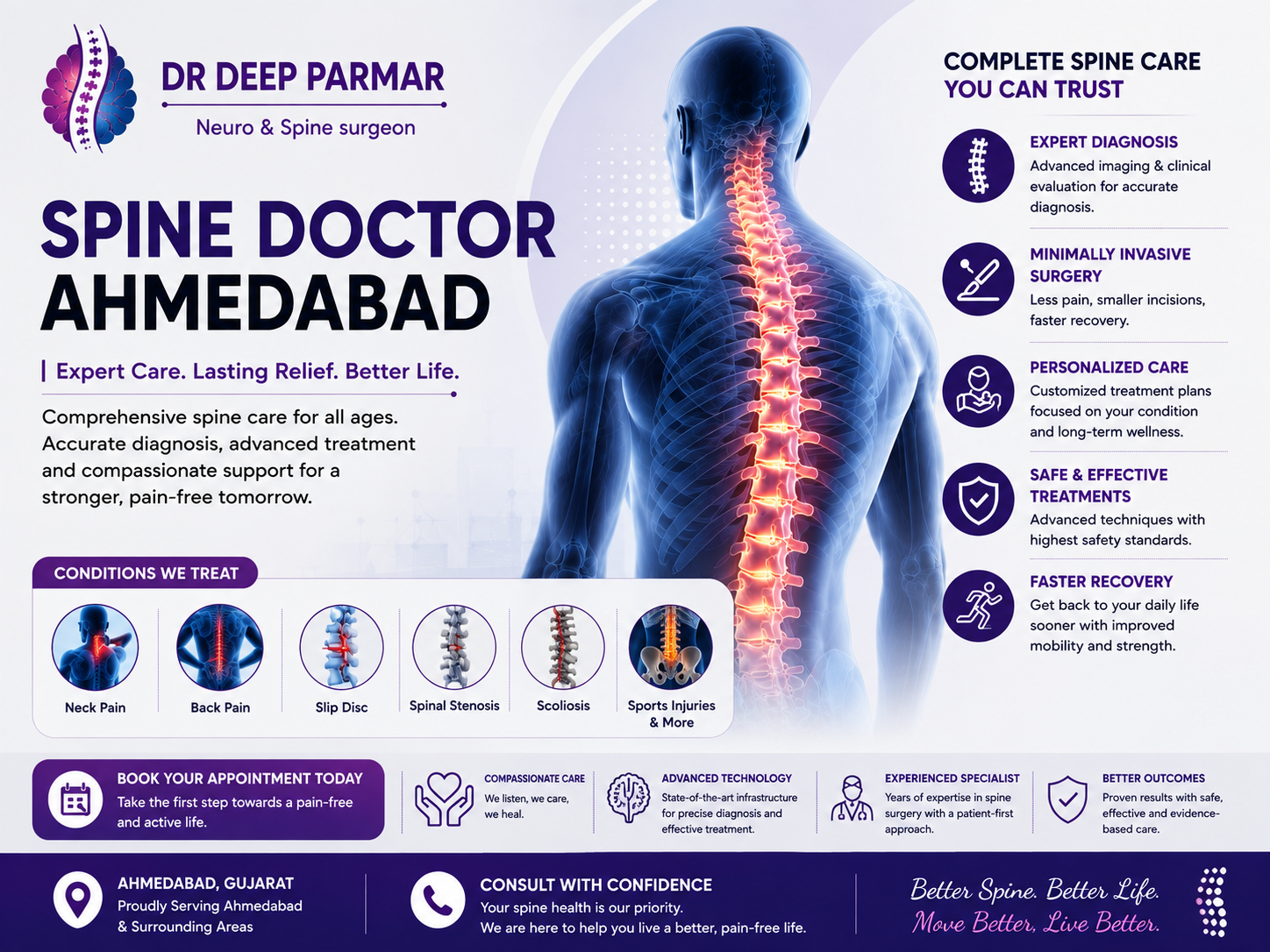
Searching for a spine doctor in Ahmedabad is often the first step when back pain, neck pain, stiffness, numbness, or nerve-related symptoms start affecting everyday life. Spine problems can have different causes, so getting the right diagnosis is important before deciding how to treat them.
A spine doctor evaluates problems involving the spine, discs, nerves, spinal cord, and surrounding structures. Depending on the condition, treatment may include medicines, physiotherapy, exercises, lifestyle changes, injections, or surgery.
What Does a Spine Doctor Do?
A spine doctor focuses on identifying the cause of spinal symptoms and planning suitable treatment. The goal is not simply to reduce pain temporarily but to understand what is causing the problem.
During a consultation, the doctor may review your medical history, discuss your symptoms, perform a physical and neurological examination, and evaluate previous MRI, CT scans, or X-rays.
Problems a Spine Doctor Can Evaluate
A spine doctor may treat or evaluate conditions such as:
- Back pain
- Neck pain
- Slip disc
- Herniated disc
- Sciatica
- Spinal stenosis
- Nerve compression
- Spinal cord compression
- Degenerative disc problems
- Cervical spine conditions
- Lumbar spine conditions
- Spinal injuries
- Certain spinal deformities
The appropriate treatment depends on the exact diagnosis and the patient’s individual condition.
When Should You Visit a Spine Doctor in Ahmedabad?
Back and neck pain are common, and many mild cases improve with basic care. However, persistent or unusual symptoms should not simply be ignored.
Persistent Back Pain
If your back pain continues for several weeks, repeatedly returns, or makes it difficult to work, sleep, sit, stand, or walk comfortably, a medical evaluation can help identify the cause.
Neck Pain With Arm Symptoms
Neck pain accompanied by pain, tingling, numbness, or weakness in the shoulder, arm, or hand can sometimes be related to nerve irritation or compression.
Lower Back Pain With Leg Pain
Pain travelling from the lower back into the buttock or leg may be associated with conditions such as sciatica or nerve compression.
Numbness or Weakness
Persistent numbness, tingling, or weakness should be evaluated, particularly if the symptoms are getting worse.
Common Spine Conditions
Spine problems can occur because of age-related changes, injuries, disc problems, repetitive strain, or other medical conditions.
Slip Disc
A slipped or herniated disc occurs when the inner portion of a spinal disc pushes through the outer layer. It can sometimes put pressure on a nearby nerve.
Symptoms may include back pain, leg pain, numbness, tingling, or weakness.
Many patients can be treated without surgery, depending on the severity of the condition.
Sciatica
Sciatica describes pain that follows the path of the sciatic nerve, commonly extending from the lower back through the buttock and into the leg.
The underlying cause needs to be identified before deciding on treatment.
Spinal Stenosis
Spinal stenosis occurs when the space available for the spinal cord or nerves becomes narrower. Some people experience pain, numbness, weakness, or difficulty walking.
Treatment varies depending on the location and severity of the narrowing.
Cervical Spine Problems
Conditions affecting the neck portion of the spine may cause neck pain, stiffness, headaches, shoulder discomfort, or symptoms travelling into the arms.
If the spinal cord is affected, symptoms may also include hand coordination problems or difficulty walking.
How Does a Spine Doctor Diagnose the Problem?
The diagnosis usually begins with your symptoms and medical history rather than an imaging scan alone.
Medical History
The doctor may ask when your symptoms began, what makes them better or worse, whether there has been an injury, and whether you have previously received treatment.
Physical Examination
A physical and neurological examination may include checking muscle strength, reflexes, sensation, movement, coordination, and walking.
MRI and Other Imaging
Depending on the symptoms, the doctor may recommend an MRI, CT scan, X-ray, or another diagnostic test.
An MRI may show disc bulges or other changes that are also present in people without significant symptoms. Therefore, imaging findings need to be interpreted along with the clinical examination.
Non-Surgical Treatment for Spine Problems
Surgery is not automatically required for most spine conditions.
Medication
Depending on the diagnosis, medicines may be prescribed to manage pain, inflammation, muscle spasms, or nerve-related symptoms.
Physiotherapy
Physiotherapy can help improve mobility, strength, flexibility, and function in many types of spine-related conditions.
Exercise and Lifestyle Changes
A doctor or physiotherapist may recommend specific exercises and changes to daily activities based on your condition.
Maintaining appropriate physical activity and avoiding prolonged poor posture may also support spine health.
When Is Spine Surgery Recommended?
Surgery may be considered when non-surgical treatment does not provide sufficient improvement or when the underlying problem requires surgical correction.
Persistent Nerve Compression
When a nerve remains significantly compressed and causes ongoing pain, numbness, or weakness, surgery may sometimes be recommended.
Spinal Cord Compression
Spinal cord compression can affect walking, coordination, strength, and sensation. Depending on the cause, surgical treatment may be necessary.
Certain Spine Injuries
Some fractures or unstable spinal injuries may require surgery to restore stability or protect neurological structures.
What Happens During a Spine Consultation in Ahmedabad?
Your first consultation is an opportunity to explain your symptoms clearly and understand the possible causes.
The doctor may discuss:
- Your current symptoms
- Previous medical conditions
- Previous treatments
- MRI or CT findings
- Possible treatment options
- Expected recovery
- Whether surgery is necessary
What Should You Bring to the Appointment?
It can be helpful to carry:
- MRI or CT scans
- X-ray reports
- Previous prescriptions
- Blood test reports when relevant
- Previous consultation notes
- A list of medicines you currently take
Also make a note of when the symptoms started and whether they have changed over time.
How to Choose a Spine Doctor in Ahmedabad
Choosing the right doctor should be based on your specific needs rather than online rankings alone.
Look for Relevant Experience
Consider a doctor who regularly evaluates and treats the type of spine problem you are experiencing.
Understand Your Treatment Options
Ask why a particular treatment has been suggested and whether non-surgical options are appropriate for your condition.
Discuss the Expected Recovery
If surgery is recommended, ask about the procedure, expected recovery period, possible risks, activity restrictions, and follow-up care.
Don’t Choose Surgery Based Only on an MRI
An MRI can provide valuable information, but treatment should be based on the complete clinical picture. A disc bulge or degeneration on a scan does not automatically mean an operation is required.
How to Maintain a Healthy Spine?
While not every spine condition can be prevented, certain everyday habits can support general spinal health.
Maintain Good Posture
Try to maintain a comfortable posture while sitting, working, driving, or using a computer. Avoid staying in one position for very long periods.
Stay Physically Active
Regular movement and appropriate strengthening exercises can help maintain mobility and support the muscles around the spine.
Lift Carefully
When lifting heavy objects, use appropriate technique and avoid sudden twisting movements.
Maintain a Healthy Weight
Maintaining a healthy body weight can reduce the physical load placed on the spine and may support overall musculoskeletal health.
When Is Spine Pain an Emergency?
Some symptoms require urgent medical attention rather than waiting for a routine appointment.
Seek urgent care if you experience:
- Sudden or progressive weakness
- Major difficulty walking
- Loss of bladder or bowel control
- Numbness around the inner thighs or genital area
- Severe symptoms after a significant injury
These symptoms can sometimes indicate serious nerve or spinal cord compression.
Frequently Asked Questions
What does a spine doctor treat?
A spine doctor evaluates and treats conditions affecting the spine, discs, spinal cord, and related nerves. These may include back pain, neck pain, slipped discs, sciatica, spinal stenosis, and nerve compression.
Do I need a spine doctor for back pain?
If your back pain is persistent, severe, repeatedly returning, or associated with numbness, weakness, or leg pain, consulting a spine doctor may be appropriate.
Can a spine doctor treat a slipped disc without surgery?
Yes. Many slipped disc cases can improve with non-surgical treatment. Surgery may be considered when symptoms persist or when significant neurological problems are present.
Is spine surgery safe?
Every surgical procedure has potential risks. The risks and benefits depend on the specific procedure, the underlying condition, and the patient’s overall health. Your surgeon should explain these factors before treatment.
How long does spine treatment take?
There is no single recovery timeline. Mild conditions may improve over a relatively short period, while chronic or surgically treated conditions can require longer rehabilitation.
Final Thoughts
If you are looking for a spine doctor in Ahmedabad, start with a proper evaluation rather than assuming that every back or neck problem requires surgery.
A spine doctor can help identify the underlying cause of your symptoms and explain the available treatment options. Depending on the condition, treatment may involve medication, physiotherapy, exercise, lifestyle changes, or surgery.
The right approach should always be based on your symptoms, physical examination, medical history, and diagnostic findings.