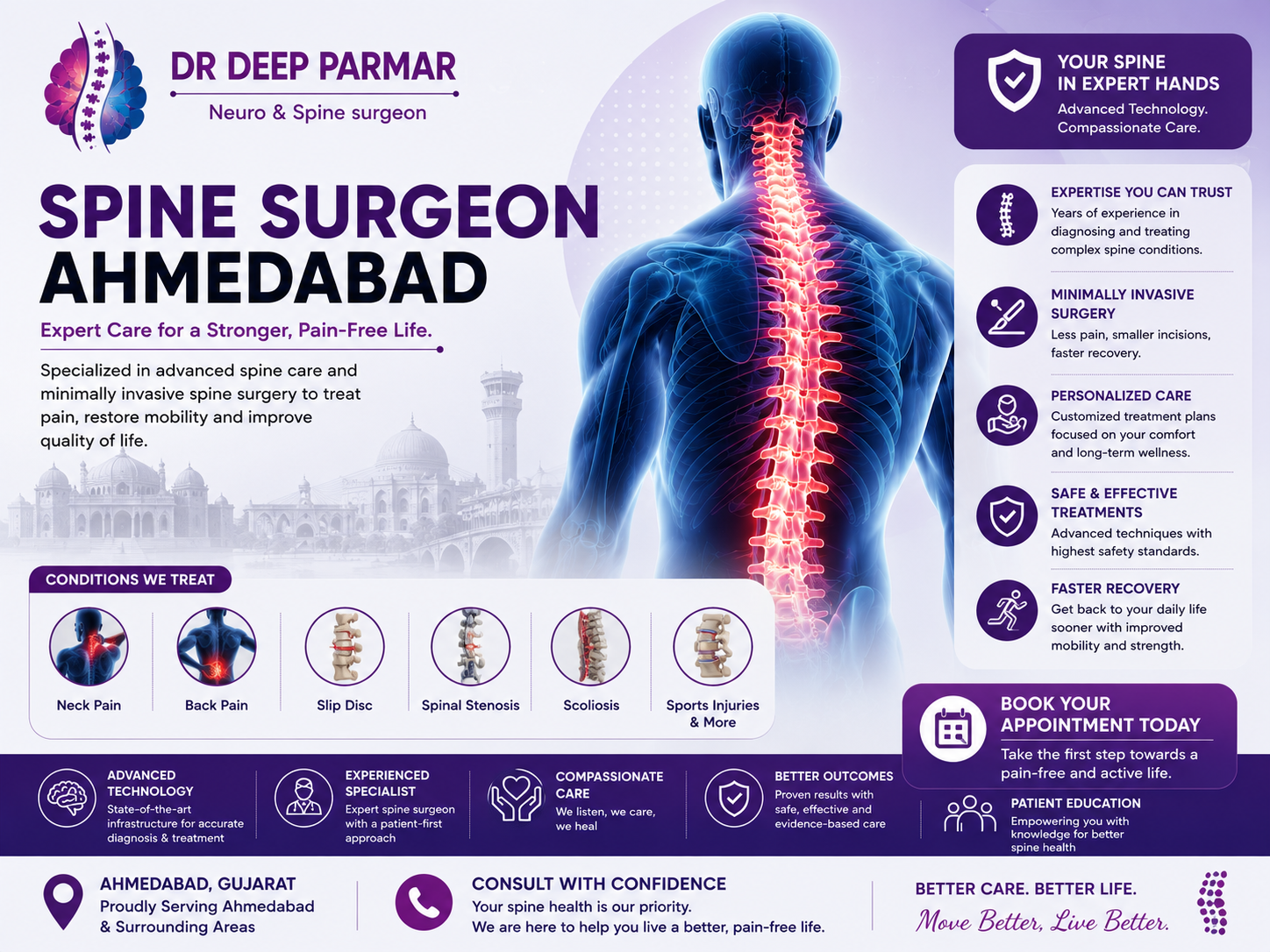
Finding the right spine surgeon in Ahmedabad can be important when back pain, neck pain, nerve compression, or a spinal condition starts affecting your daily life. Not every spine problem requires surgery, but persistent or severe symptoms should be properly evaluated by a qualified specialist.
A spine surgeon focuses on conditions involving the spine, spinal cord, discs, and nerves. Depending on the diagnosis, treatment may include medicines, physiotherapy, lifestyle changes, injections, or surgery.
What Does a Spine Surgeon Do?
A spine surgeon evaluates problems affecting different parts of the spinal column and the nerves connected to it. They first try to understand the underlying cause of the symptoms before recommending a treatment plan.
A consultation may include a physical and neurological examination along with a review of MRI, CT scans, X-rays, or other medical reports.
Conditions Treated by a Spine Surgeon
A spine surgeon may evaluate and treat conditions such as:
- Slip disc or herniated disc
- Sciatica
- Spinal stenosis
- Cervical spine problems
- Lumbar spine disorders
- Nerve compression
- Spinal cord compression
- Degenerative disc disease
- Spinal fractures
- Spinal tumors
- Certain spinal deformities
- Spine-related injuries
The recommended treatment depends on the patient’s symptoms, diagnosis, age, medical history, and overall health.
When Should You Consult a Spine Surgeon in Ahmedabad?
Occasional back or neck pain is common and may improve with rest and appropriate conservative treatment. However, persistent symptoms may require specialist evaluation.
Persistent Back or Neck Pain
If pain continues for several weeks, keeps returning, or interferes with work, sleep, walking, or everyday activities, it may be worth discussing the problem with a spine specialist.
Pain Traveling Into the Arms or Legs
Pain that travels from the lower back into the leg or from the neck into the arm may be associated with nerve irritation or compression.
Numbness and Tingling
Persistent numbness, tingling, or a pins-and-needles sensation in the arms, hands, legs, or feet can sometimes indicate nerve involvement.
Muscle Weakness
Difficulty lifting the foot, holding objects, climbing stairs, or performing normal movements may require prompt medical evaluation.
Common Spine Problems
Spinal conditions can develop for different reasons, including age-related changes, injuries, disc problems, posture, or other underlying conditions.
Slip Disc
A slipped or herniated disc occurs when the soft inner portion of a spinal disc pushes through a weakened outer layer. In some cases, it can irritate nearby nerves and cause pain, numbness, or weakness.
Many disc problems can initially be managed without surgery.
Sciatica
Sciatica usually refers to pain that follows the path of the sciatic nerve, often travelling from the lower back through the buttock and into the leg.
The underlying cause may be a herniated disc, spinal narrowing, or another condition affecting the nerve.
Spinal Stenosis
Spinal stenosis occurs when the spaces within the spine become narrower and may put pressure on the spinal cord or nerves.
Symptoms can include pain, numbness, weakness, or difficulty walking, depending on the affected area.
Cervical Spine Problems
Problems in the neck region can cause neck pain, stiffness, shoulder discomfort, arm pain, numbness, or weakness. When the spinal cord is involved, symptoms may also affect walking or hand coordination.
Is Spine Surgery Always Necessary?
No. This is one of the most common questions patients have.
Many spinal conditions are first treated with non-surgical approaches. Depending on the diagnosis, these may include:
- Medication
- Physiotherapy
- Exercise and activity modification
- Posture correction
- Weight management where appropriate
- Other conservative treatments recommended by the doctor
Surgery may be considered when conservative treatment does not provide adequate improvement, when there is significant nerve or spinal cord compression, or when a condition requires surgical treatment.
Types of Spine Surgery
The type of procedure depends entirely on the underlying spinal problem.
Discectomy
A discectomy involves removing part or all of a problematic disc that is pressing on a nerve. It may be considered for certain cases of herniated disc with persistent symptoms.
Spinal Decompression
Decompression procedures are performed to relieve pressure on the spinal cord or nerves. The exact technique depends on where and why the compression is occurring.
Spinal Fusion
Spinal fusion is a procedure used in selected spinal conditions to join two or more vertebrae and provide stability.
Not every patient with back pain or a disc problem needs fusion. The decision depends on the diagnosis and individual circumstances.
Minimally Invasive Spine Surgery
Some spinal procedures can be performed using smaller incisions and specialized instruments. When appropriate, minimally invasive techniques may help reduce tissue disruption and support recovery.
The suitability of a minimally invasive approach depends on the specific spinal condition.
What Happens During a Spine Consultation?
A spine consultation generally starts with a detailed discussion about your symptoms.
The surgeon may ask about:
- Location of the pain
- Duration of symptoms
- Previous injuries
- Numbness or tingling
- Muscle weakness
- Difficulty walking
- Previous treatments
- Any previous spine surgery
Physical and Neurological Examination
The doctor may assess movement, muscle strength, reflexes, sensation, walking, and other neurological functions.
MRI, CT Scan, and X-Ray
Imaging can help identify problems involving discs, vertebrae, nerves, or the spinal canal. Your doctor will decide which investigation is appropriate based on your symptoms.
It is important to remember that an abnormal MRI does not automatically mean surgery is required. The scan needs to be considered together with your symptoms and clinical examination.
How to Choose a Spine Surgeon in Ahmedabad
Choosing a spine surgeon is an important decision, particularly when surgery has been suggested.
Look at Relevant Experience
Different spine conditions can require different approaches. Consider a specialist with experience in treating the type of spinal problem you have been diagnosed with.
Ask About Treatment Options
Before deciding on surgery, understand the available treatment options and why a particular procedure has been recommended.
Discuss Recovery
Ask about expected recovery time, activity restrictions, physiotherapy, follow-up appointments, and when you may be able to return to normal activities.
Take Your Reports to the Appointment
Carry your MRI, CT scan, X-ray, previous prescriptions, and other relevant medical records. Having your previous reports available can make the consultation more useful.
Benefits of Getting a Proper Spine Evaluation
A proper evaluation can help identify the actual source of pain and determine whether the problem is related to the spine, nerves, muscles, joints, or another cause.
Better Understanding of Your Condition
Knowing what is causing your symptoms can make it easier to understand your treatment options.
Avoid Unnecessary Treatment
A specialist can determine whether conservative treatment is reasonable or whether a procedure may be appropriate.
Timely Treatment for Serious Problems
Some conditions involving significant nerve or spinal cord compression need timely attention. Delaying evaluation in such cases may increase the risk of complications.
When Is Spine Surgery More Urgent?
Certain symptoms should not be ignored.
Seek urgent medical attention if you develop sudden or progressive weakness, significant difficulty walking, loss of bladder or bowel control, numbness around the inner thighs or genital region, or severe symptoms following a major injury.
These symptoms can sometimes indicate serious nerve or spinal cord compression and require prompt assessment.
Frequently Asked Questions
What does a spine surgeon treat?
A spine surgeon treats conditions affecting the spine, discs, spinal cord, and related nerves. These can include slipped discs, spinal stenosis, nerve compression, spinal injuries, and other spinal disorders.
Is a spine surgeon the same as an orthopedic doctor?
There can be overlap in the treatment of spinal conditions. Spine surgery may be performed by specialists with different medical training backgrounds, including orthopedic spine surgeons and neurosurgeons. The appropriate specialist depends on the condition and the treatment required.
Do I need surgery for a slipped disc?
Not necessarily. Many slipped disc cases improve with non-surgical treatment. Surgery may be considered when symptoms persist, there is significant nerve compression, or neurological problems develop.
How long does spine surgery recovery take?
Recovery varies significantly depending on the procedure, the patient’s health, and the underlying condition. Your surgeon can provide a more realistic recovery timeline after evaluating your specific case.
Should I bring my MRI to a spine surgeon?
Yes. If you already have an MRI or other imaging, take the reports and images to your consultation. They can help the surgeon correlate the imaging findings with your symptoms.
Final Thoughts
If you are looking for a spine surgeon in Ahmedabad, choosing a specialist based on relevant experience, proper diagnosis, and a clear understanding of treatment options can make the consultation more useful.
Spine surgery is not automatically the answer to every back or neck problem. In many cases, non-surgical treatment may be appropriate. When surgery is necessary, however, getting a timely evaluation can help determine the most suitable approach for your condition.
The right treatment should always be based on your symptoms, examination, medical history, and diagnostic findings, rather than an imaging report alone.